
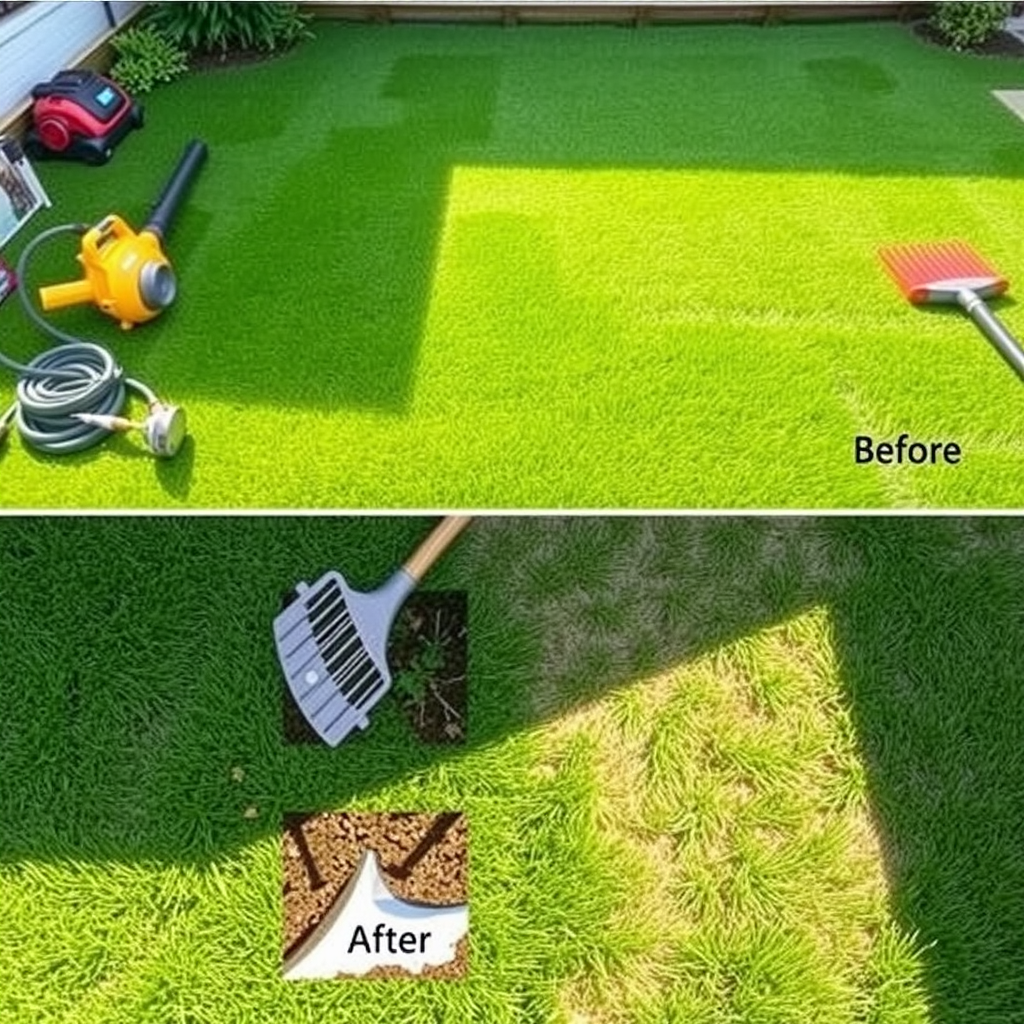
Artificial grass maintenance is essential for keeping your synthetic turf looking pristine and lasting longer. Regular upkeep, such as brushing, rinsing, and removing debris, ensures a clean and vibrant outdoor space. For expert tips and services, visit https://www.artificialgrassmaintenance.co.uk, where you can find valuable resources tailored to your needs. By implementing the right maintenance practices, homeowners can enjoy a beautiful lawn year-round without the hassle of traditional grass care.
Artificial grass has become a popular choice for many homeowners and businesses seeking a low-maintenance, aesthetically pleasing landscape solution. However, improper care can lead to a decline in its appearance and lifespan. Understanding the common mistakes in artificial grass maintenance will empower you to keep your synthetic turf looking pristine. In this post, we will explore ways to maintain artificial grass effectively, ensuring it remains an attractive feature in your outdoor space.
Overlooking Regular Cleaning
One of the most frequent mistakes made by property owners is neglecting to perform regular cleaning. Just like natural grass, artificial turf collects debris, dirt, and organic matter. Failing to clean it can lead to build-up that not only looks unsightly but can also promote weed growth and unhealthy bacteria.
Tip: Engage in a regular artificial grass maintenance service. This can include brushing the surface, removing leaves and debris, and hosing down the area to eliminate dust and dirt. Also, consider using a leaf blower for effective debris removal, particularly in autumn.
Ignoring the Importance of Brushing
Another common mistake is neglecting to brush the artificial grass. Brushing helps to keep the grass blades upright and maintains its natural look. Over time, foot traffic tends to flatten the blades, which can cause the turf to appear worn and lifeless.
Tip: Use a specific turf brush or a stiff-bristled broom to maintain the integrity of the grass. Regular brushing should be part of your artificial grass care and maintenance routine, especially in high-traffic areas. Consider brushing the surface weekly during periods of heavy use.
Using the Wrong Cleaning Products
Some individuals make the error of using harsh chemicals or abrasive cleaners on their artificial grass. These products can damage the surface, leading to discolouration and deterioration, detracting from the grass’s aesthetic appeal.
Tip: When cleaning your artificial grass, opt for mild detergent solutions or specifically designed artificial grass maintenance products. Always read the care instructions and test any product on a small area before general use to avoid potential damage.
Neglecting Drainage Issues
Artificial grass is designed to be highly durable; however, poor drainage can undermine its effectiveness. When water accumulates on the surface, it can cause the infill material to become compacted, leading to an uneven surface and potential mould growth.
Tip: Ensure your installation has proper drainage systems in place. Regular inspections can help identify problem areas. If there is standing water, investigate the drainage channels and remove any blockages. If you are uncertain, consider hiring an expert in artificial pitch maintenance to assess and rectify any issues.
Skipping Infill Replacement
Infill materials are integral to artificial grass maintenance, providing stability, cushioning, and support to the grass blades. Many property owners overlook the need to replace or replenish infill regularly, leading to a degraded surface that doesn’t perform as intended.
Tip: Depending on usage, aim to check your infill levels at least once a year. If you notice significant loss of infill, or if the surface feels hard when walked on, it’s time to add more. Choose a high-quality infill material to maintain optimal performance.
Not Addressing Weeds Promptly
While artificial grass significantly reduces weed growth, it is not entirely immune. Weeds can sprout in seams, edges, or other exposed areas if not properly managed. Delaying attention to weeds can lead to extensive growth that requires more effort to eliminate.
Tip: Regularly inspect your artificial grass for signs of weeds and remove them promptly. A specific weed killer safe for synthetic surfaces can be used to prevent growth but avoid any harsh chemicals that might damage the grass. Periodic maintenance artificial grass services often include weed treatment, ensuring ongoing vigilance in keeping your turf weed-free.
Failing to Control Heat
Artificial grass can heat up significantly under the sun, which can lead to unpleasant experiences, particularly for pets and small children. Some homeowners hide this problem by simply covering the area or avoiding outdoor activity during hot spells.
Tip: To mitigate heat, consider choosing lighter-coloured turf options, as they tend to absorb less heat. Regularly water your artificial grass during the hottest parts of the day to cool down the surface. If you’ve got pets, ensure they have access to shaded areas or water features to keep them comfortable.
Most Importantly: Getting Professional Help
Finally, many neglect the value of seeking professional help. Improper maintenance can lead to more significant, costly issues down the line. It’s crucial to realise that while DIY maintenance is cost-effective, expert insight can save you time and money in the long run.
Tip: Search for “artificial grass maintenance near me” to find reputable services in your area. Professionals bring valuable experience and can provide tailored advice, ensuring your artificial grass remains in optimal condition for years to come.
By understanding and avoiding these common mistakes, you can greatly enhance the longevity and appearance of your artificial grass. Prioritising regular maintenance practices will not only preserve its visual appeal but will also contribute to overall satisfaction in your outdoor space.