
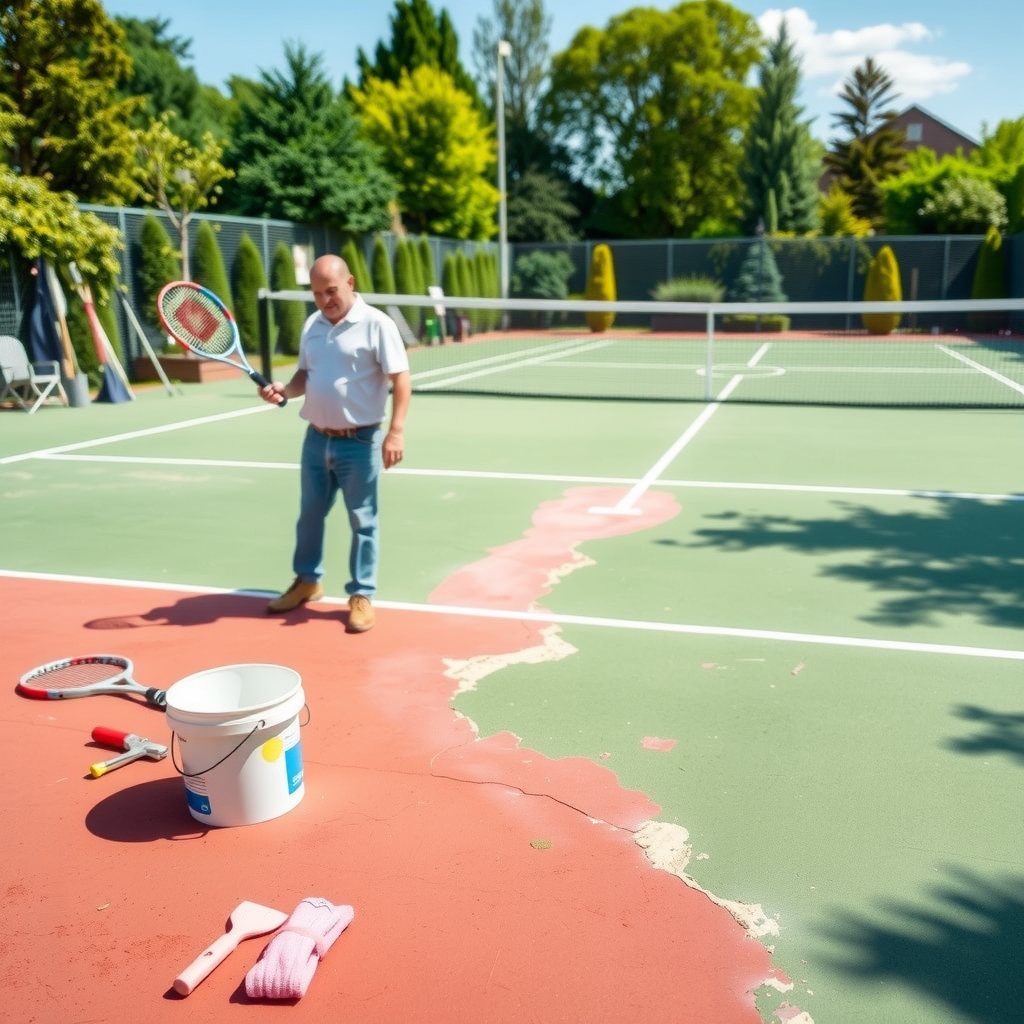
Tennis court repairs are essential to maintain a safe and enjoyable playing surface. Whether it’s fixing cracks or resurfacing, professional services can enhance your court’s longevity and appearance. For expert assistance, visit http://www.hindingtennis.com/.
Maintaining a tennis court, whether it is a traditional grass surface or an advanced artificial grass installation, is essential for ensuring optimal conditions for play. Over time, wear and tear can lead to various issues, affecting not only the aesthetics of the court but also the quality of play. Homeowners who avidly utilise their tennis courts may find themselves needing to perform repairs or routine maintenance, and understanding how to tackle these tasks can save both time and money.
In this blog post, we will explore essential tips and tricks for DIY tennis court repairs and maintenance. With a focus on tennis court artificial grass and traditional surfaces, we will cover the necessary tools, techniques, and best practices to keep your court in peak condition.
Understanding Your Surface: Grass vs Artificial Grass
Before embarking on any maintenance or repair efforts, it’s vital to identify whether your court is constructed with natural grass or artificial grass. Each surface type comes with distinct characteristics that impact maintenance routines.
Natural grass courts require consistent upkeep, including mowing, watering, and weed control, to ensure a high-quality playing surface. This includes recognising seasonal changes that may influence grass health. On the other hand, artificial grass tennis courts offer the advantage of lower maintenance, as they do not require watering or mowing. However, they still demand regular tennis court cleaning and infill inspections to maintain the right playing conditions.
Regular Maintenance Practices
Regardless of the surface type, regular maintenance is critical to prolonging the lifespan of your tennis court. For grass courts, this includes aeration, topdressing, and proper irrigation to enhance grass growth. Aerating the soil ensures that air and nutrients can permeate, promoting a healthy root system.
For tennis court artificial grass, periodic brushing is essential. Using a power brush or a stiff broom, brush the surface to lift the fibres, ensuring an even playing field. Moreover, it’s vital to inspect the infill regularly, replacing or adding materials as necessary to maintain the court’s bounce and stability.
Identifying Common Issues
Understanding the common issues that can arise with both types of courts is fundamental for effective DIY repair. For traditional grass courts, problems such as bare patches, weeds, and pest infestations can occur. Bare patches can be revitalised by reseeding, while weeds can be managed through manual removal or approved herbicides.
In contrast, artificial grass tennis courts may develop issues such as lifting or bubbling, excessive infill migration, or fading from sun exposure. Identifying these problems early allows for prompt action and prevents further damage. Regular inspections after heavy rainfall or play can help in recognising developing issues.
DIY Repair Techniques for Grass Courts
When dealing with grass court repairs, assess the area of damage first. For small, bare patches, simply reseed with a grass seed mix suitable for your local climate. Ensure the area is raked, watered, and protected until the grass has established a solid growth.
For larger issues, such as uneven surfaces or persistent weed problems, it might be worth considering a more comprehensive approach. This could involve layering topsoil and repacking the area with a roller to restore an even playing surface. In cases where the court has substantial damage, tennis court resurfacing may be necessary, restoring its original quality and integrity.
DIY Repair Techniques for Artificial Grass Courts
The repair process for artificial grass tennis courts is relatively straightforward but requires attention to detail. In cases where seams have separated or edges are lifting, consider using specialised adhesives designed explicitly for artificial grass. When applying adhesive, ensure that the area is clean and dry for optimal bonding.
For scratches or damage to the synthetic fibres, small patches can typically be replaced rather than the entire court. Purchasing repair kits specifically designed for artificial grass can help in ensuring that the colour and texture match seamlessly.
Additionally, if infill material has migrated out of place, simply redistributing it evenly across the surface with a rake can address any inconsistencies and retain optimal court performance.
Essential Tools and Supplies
Equipping yourself with the right tools simplifies the process of conducting tennis court repairs. For grass courts, you may need loppers, a lawn mower, a rake, a roller, and fertiliser specific to your grass type. Additionally, having weed control sprays and topsoil at hand can facilitate prompt repairs.
For artificial grass, invest in a power brush, a stiff broom, patching materials, and adhesive to handle most common repairs. Having a dedicated maintenance schedule, complete with essential supplies, will empower homeowners to maintain their courts effectively and enhance their longevity.
Tennis court repairs are essential for maintaining optimal playing conditions and safety. Regular maintenance can prevent costly damage and enhance the court’s lifespan. Whether it’s fixing cracks or resurfacing, professional services ensure top-quality results. For expert assistance, visit https://www.artificialgrassmaintenance.co.uk for more information.
Keeping Your Court Clean
Tennis court cleaning should be included in your routine maintenance schedule for both grass and artificial surfaces. For grass courts, this may involve removing organic debris such as leaves or twigs regularly. Cleaning tools like brooms and leaf blowers can be beneficial.
In the case of artificial grass, use a power brush or a stiff broom to keep the surface clear of dirt and debris. It’s also important to rinse down the court with water to remove any residue, be it pollen or pollution, ensuring a pristine playing surface.
By investing time and effort into these DIY maintenance and repair strategies, homeowners can enjoy their tennis courts to the fullest, ensuring a quality experience for players of all levels.
Tennis court repairs are essential for maintaining optimal playing conditions and prolonging the life of your court. Regular inspections and timely repairs can prevent minor issues from becoming costly problems. Whether it’s resurfacing or addressing drainage concerns, professional maintenance ensures your court remains in top shape. For expert services and advice, visit artificialgrassmaintenance.co.uk.